





Resin Art & Clocks
From Natural Tree Resins to Contemporary Art:
Long before resin became a material for modern art and design, people collected natural resins that seep from certain trees. These sticky substances were valued for their useful properties and distinctive aromas. In ancient times, they were used as incense in ceremonies, as adhesives, to waterproof and seal objects, and as protective coatings for wood and artworks.
Over time, advances in chemistry introduced synthetic resins with new properties and wider applications. Epoxy resins emerged during the 1930s and entered commercial use in the following decade. Today, different types of synthetic resin are used across manufacturing and industry, including in adhesives, protective coatings and composite materials. In art and design, epoxy resin is valued for its glossy finish and versatility, making it suitable for decorative objects, clocks, jewellery and accessories. Resin-based materials and finishes can also contribute to fashion design through decorative details and embellishments.
From Creative Practice to Shared Opportunities:
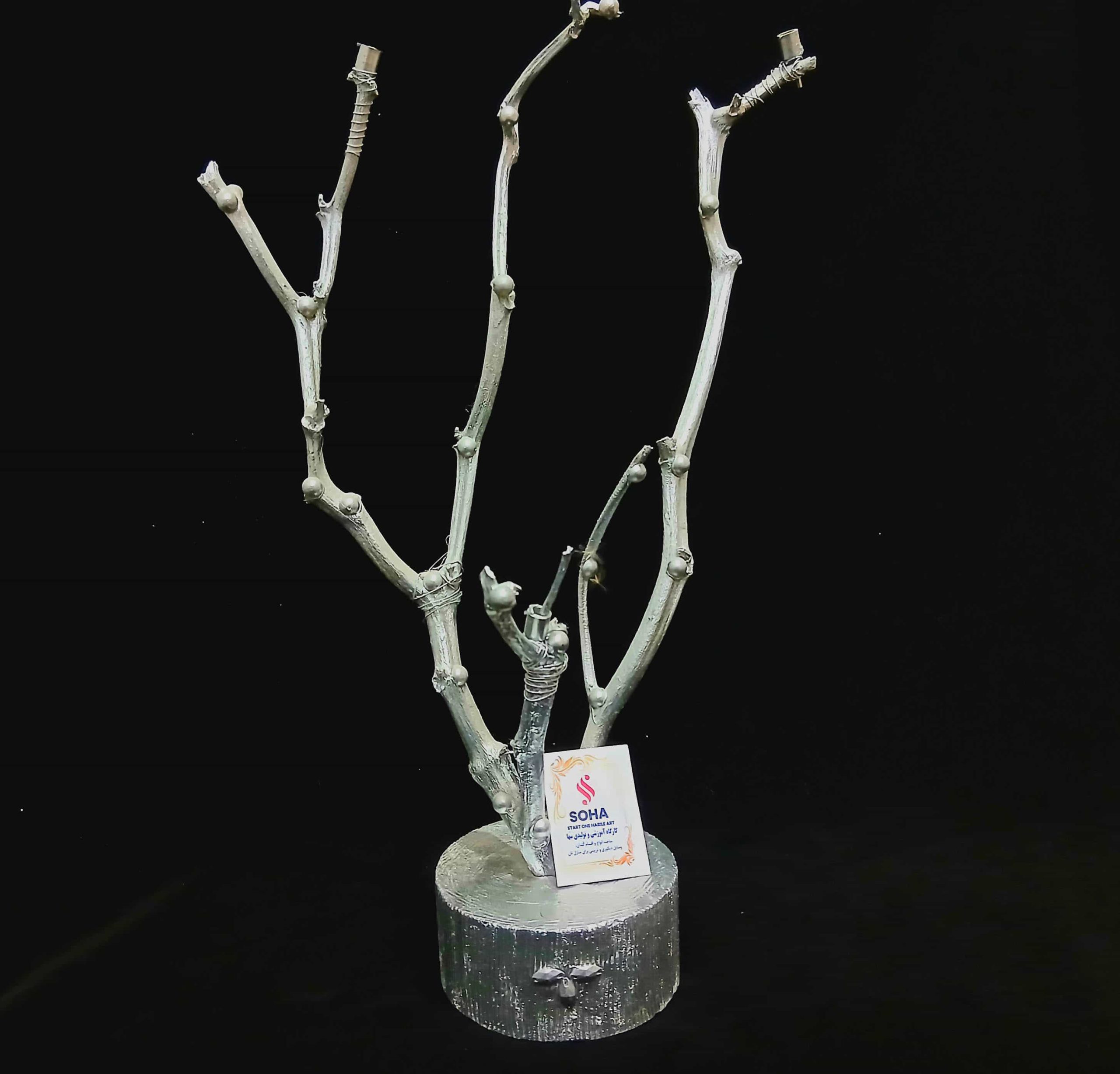
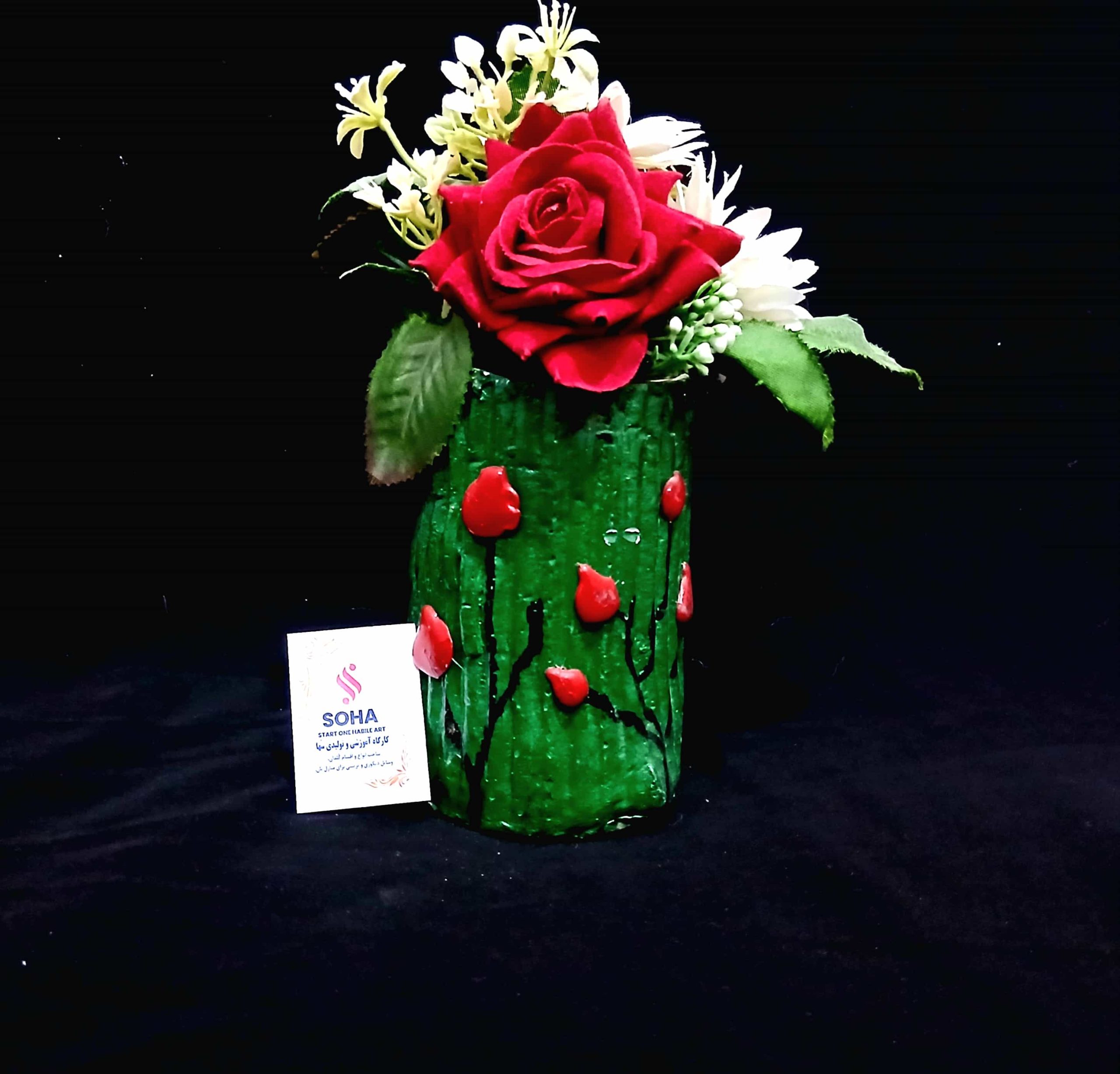
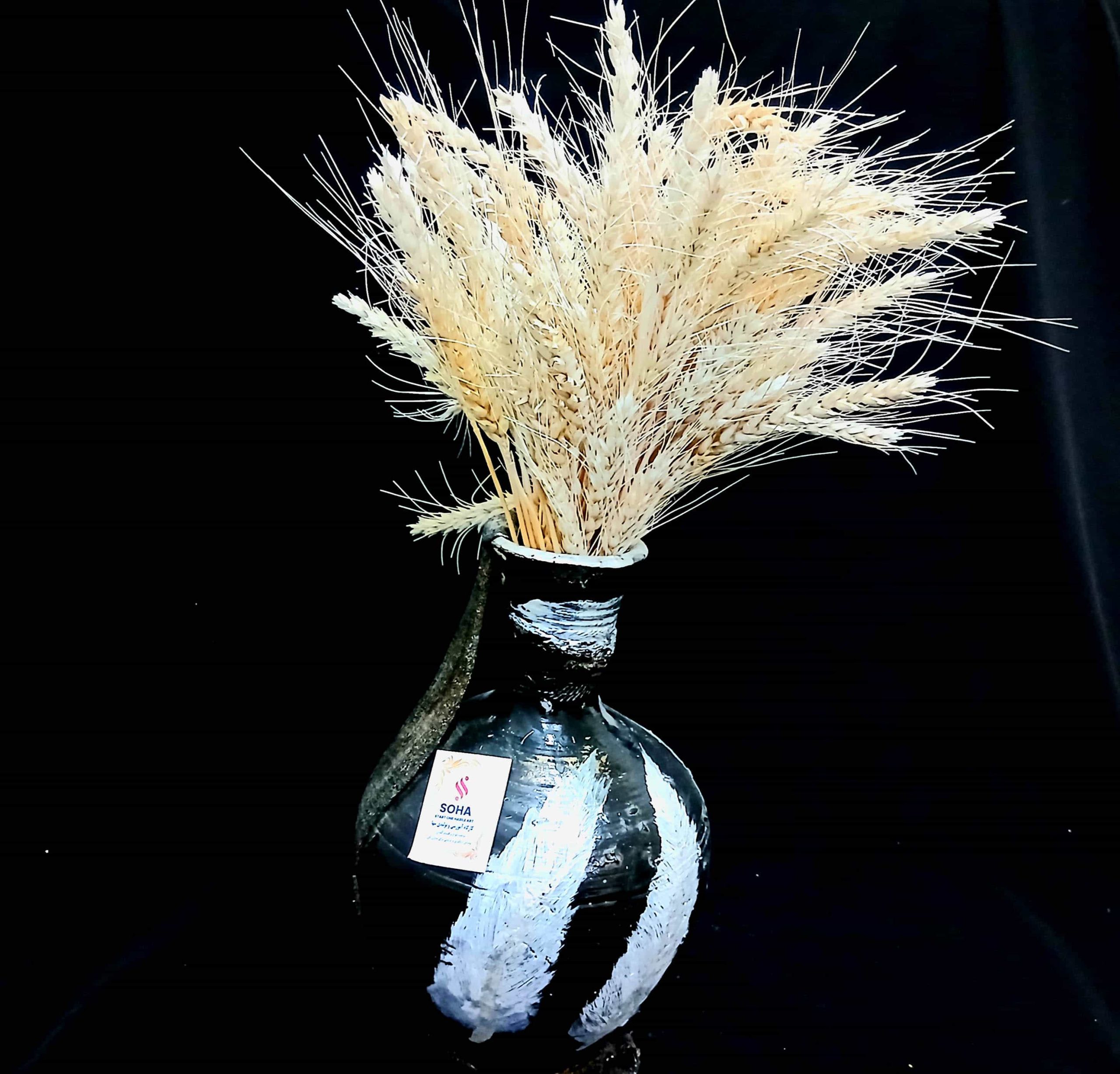
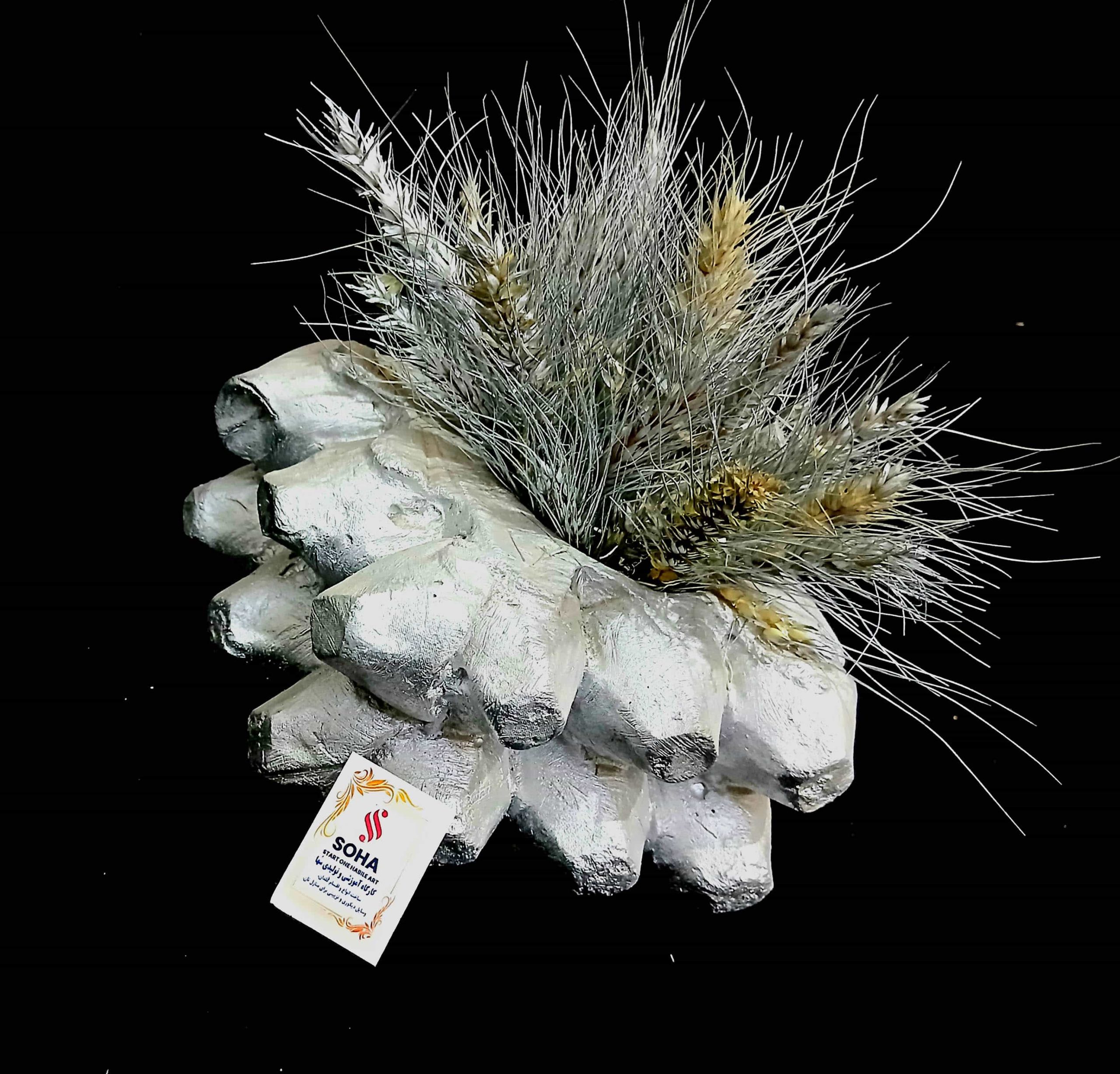
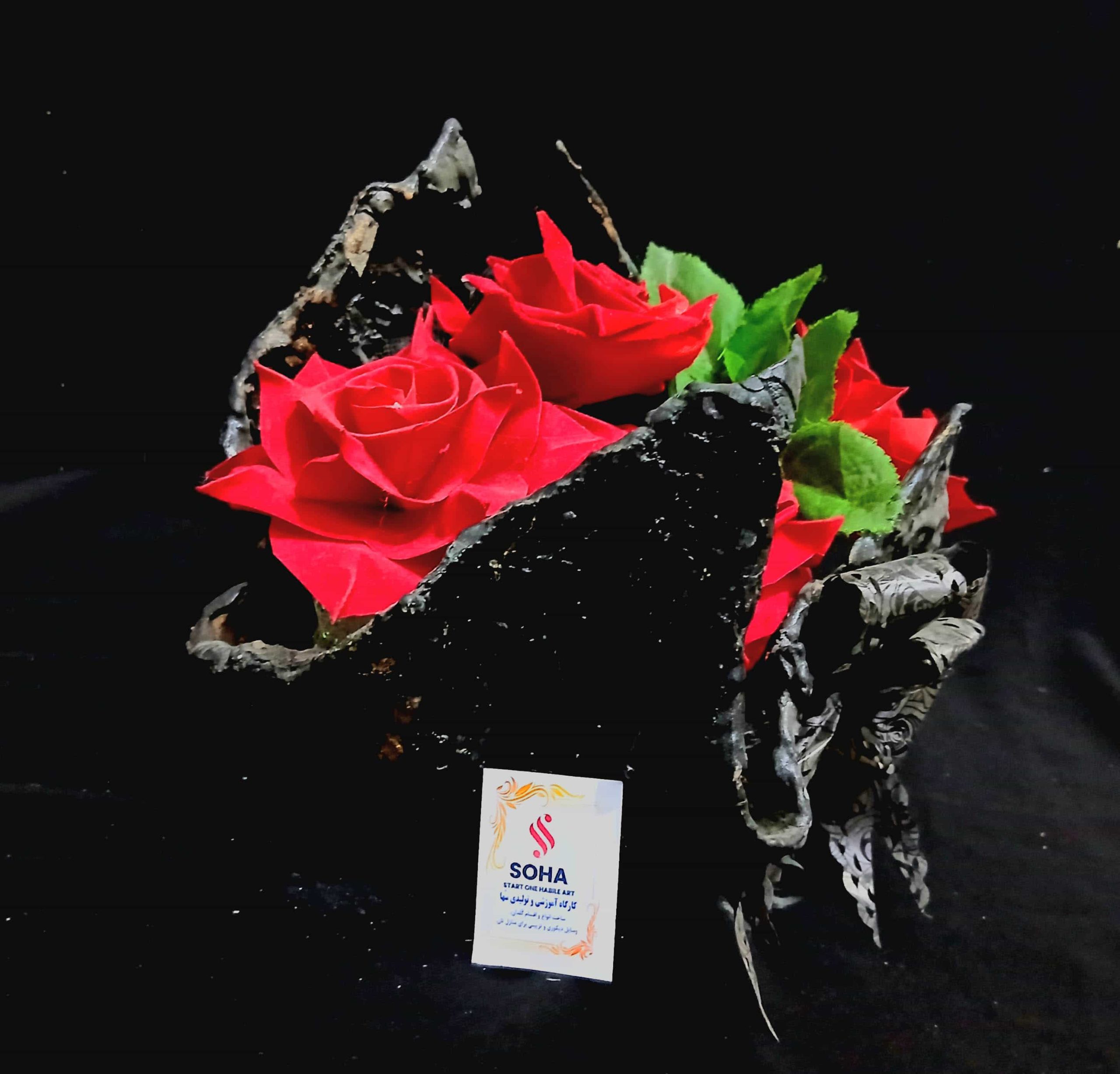
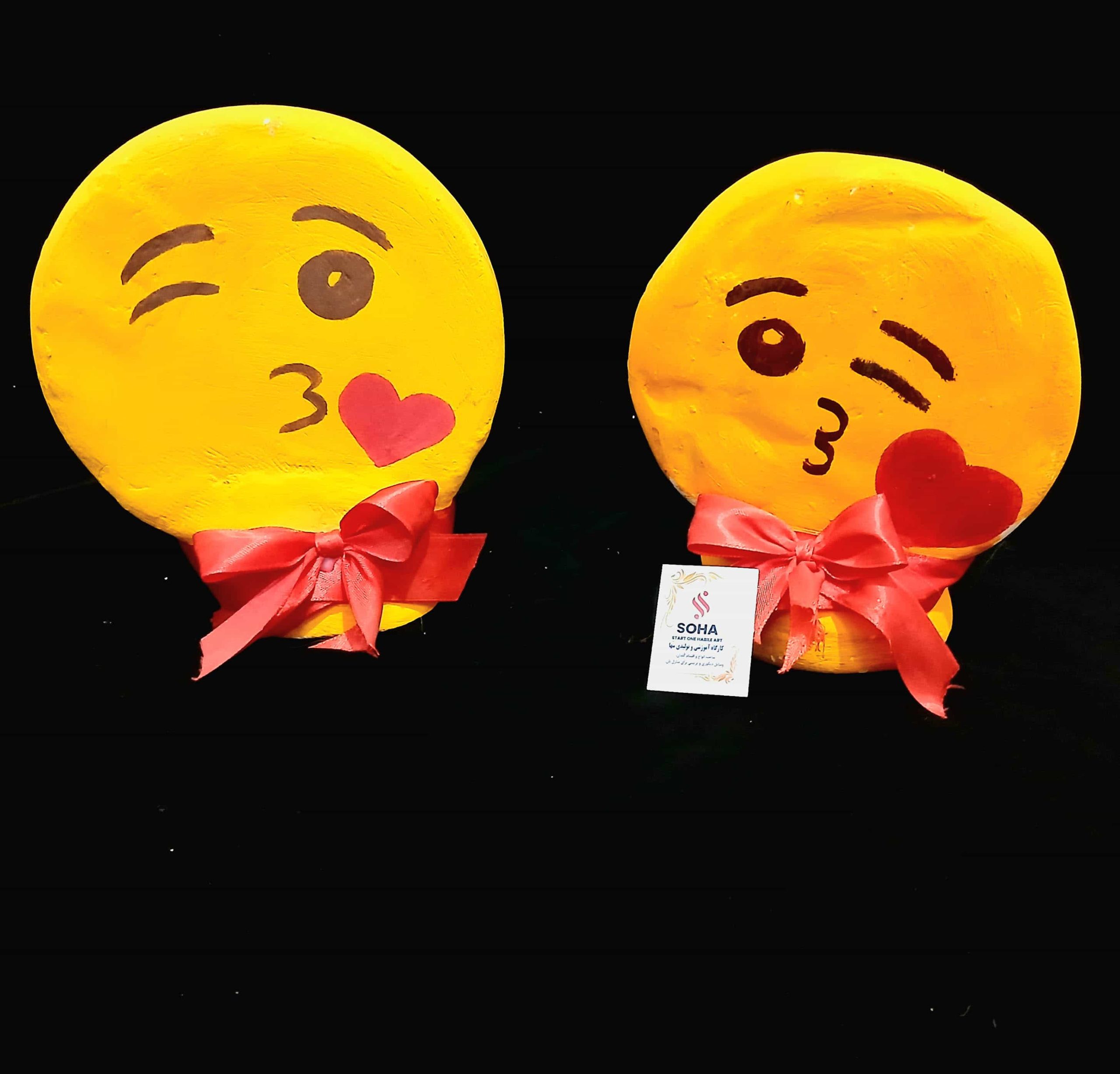
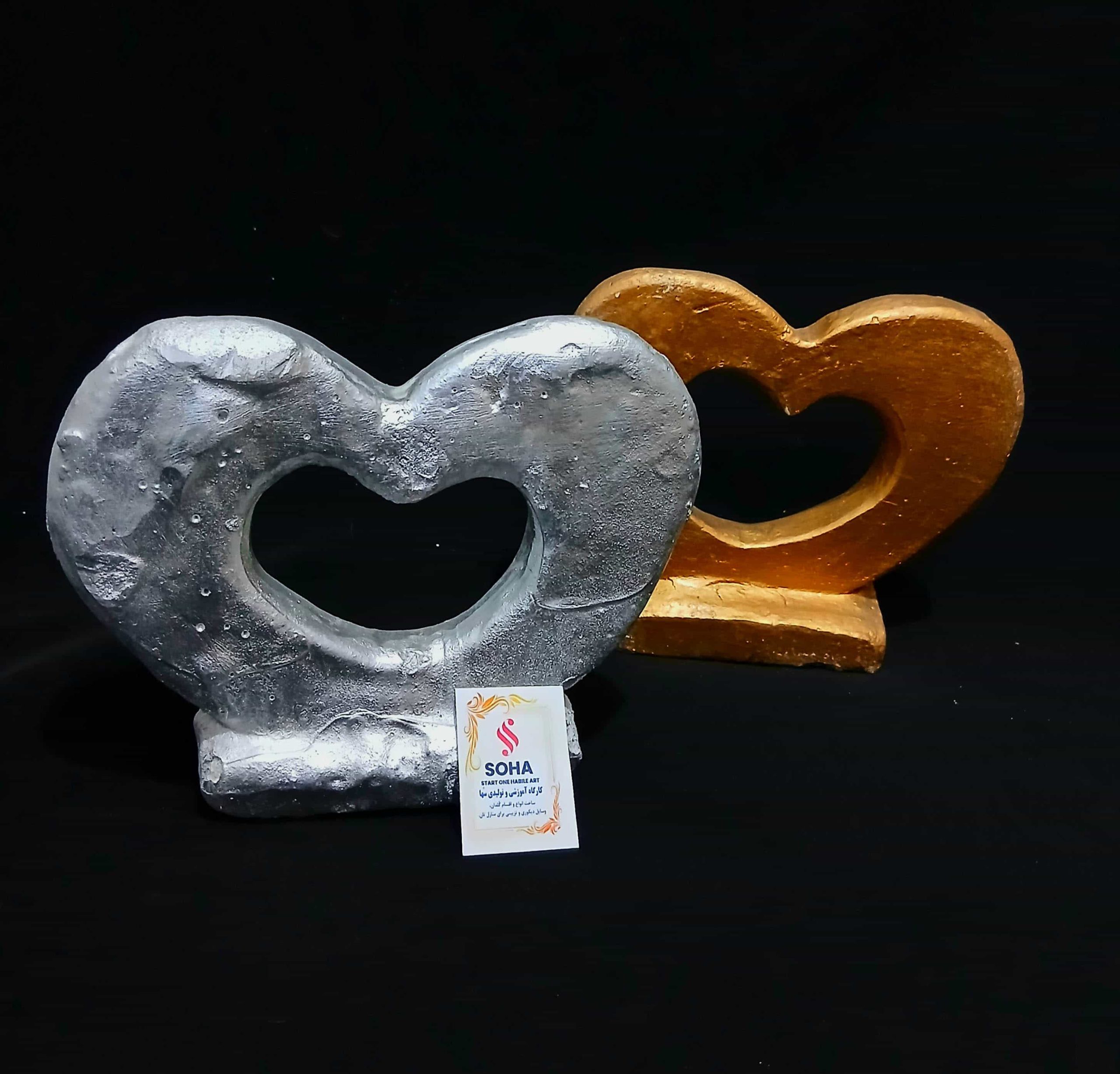
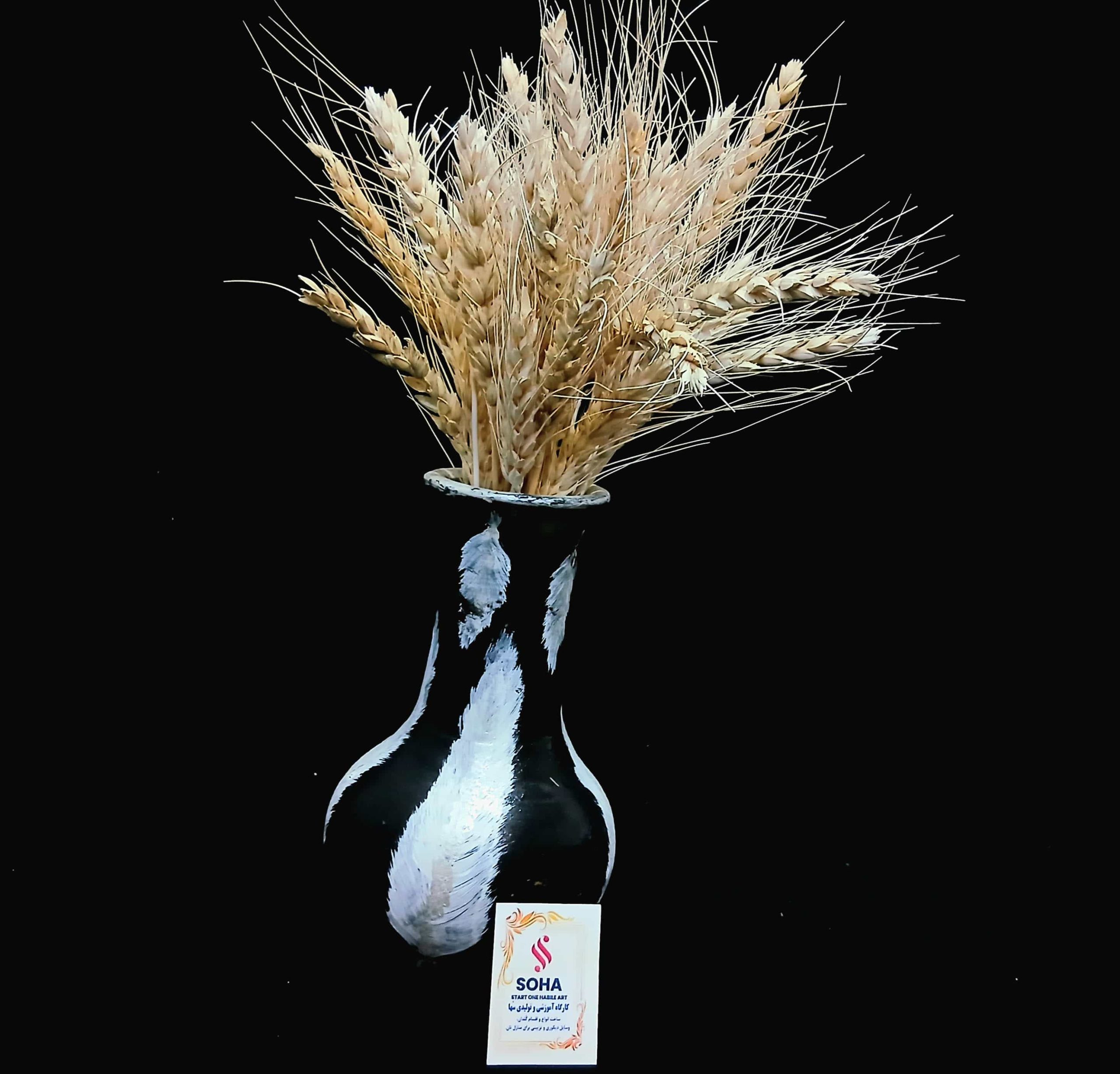
At SOHA; working with resin offers an opportunity to explore colour, texture and detail through handmade objects. From decorative pieces to accessories, each work allows new combinations of materials to be tested and ideas to take tangible form. This experience has also opened up possibilities for creating decorative elements and accessories to accompany garments, connecting object-making with fashion design.
After learning resin art and sharing these skills with my own team, I had the opportunity to work for a short period with an organisation as a resin art trainer. Through this collaboration, nearly twenty women learned this modern art form, and each went on to establish her own home-based business. Seeing these women turn their newly acquired skills into independent business opportunities brought me closer to my goal of supporting women and girls in my homeland.
I believe that one of the most meaningful ways to use what we learn is to share our knowledge and skills responsibly, helping others find their own path towards growth and independence. When knowledge is passed on and opportunities are created, individual progress can extend beyond one person, contributing to local economic activity and a stronger, more empowered community.
Creativity grows through curiosity, practice and the courage to try something new. Learning a new technique can open the door to fresh ideas, new opportunities and possibilities we may not have imagined before.
Inspirational Quote:
“Every creative experiment opens the door to a new possibility.”