

Painting
From Ancient Origins to Contemporary Expression
The History of Painting:
Long before written language, people used images to record their experiences, express beliefs and make sense of the world around them. Prehistoric paintings on cave walls and rock surfaces are among the earliest surviving traces of this visual expression. Over thousands of years, painting developed across different civilizations, taking new forms through changes in culture, religion, materials and artistic ideas.
In ancient Egypt and other early civilizations, paintings decorated tombs, temples and important spaces, often depicting religious beliefs, daily life and the relationship between humans and the natural world. Across the centuries, painting continued to evolve, from the sacred imagery of medieval art to the renewed interest in humanism, perspective and observation during the Renaissance. Later, artists explored light and movement through Impressionism, emotion through Expressionism, the dream world through Surrealism, and new ways of seeing through Cubism and abstract art.
Today, painting extends far beyond traditional subjects and techniques. Artists work with oil, acrylic, watercolour, charcoal and mixed media, exploring personal experiences, social realities, cultural identity and imagined worlds. Although its forms and purposes have changed, painting remains a powerful way to communicate ideas and emotions beyond words.
Painting in Afghanistan: A Rich Artistic Heritage:
Afghanistan has a long and diverse history of visual art, shaped by its position at the crossroads of cultural exchange. The ancient murals of Bamiyan, created within Buddhist cave and monument complexes, reveal a remarkable meeting of artistic influences from Central Asia, India and the wider region. Their surviving traces preserve evidence of the colours, techniques and visual traditions that flourished in the area many centuries ago.
In later centuries, Herat became an important centre of Persianate art and manuscript illustration. During the Timurid period, the Herat school of miniature painting developed a distinctive approach to colour, composition and intricate detail. The celebrated painter Kamāl al-Dīn Behzād became one of its most influential figures, helping shape the history of miniature painting in the region.
Afghan painting has continued to develop through changing historical circumstances. Artists have drawn on inherited traditions while exploring contemporary subjects, personal experiences and new forms of expression. This continuing dialogue between heritage and innovation is an important part of Afghanistan’s artistic story.
Styles and Approaches in Painting:
Painting has never followed a single path. Different movements and approaches have offered artists new ways to represent the world or move beyond representation:
- Realism — depicting people and everyday life with close attention to the observed world.
- Impressionism — exploring light, atmosphere and fleeting moments through colour and brushwork.
- Expressionism — using colour and form to convey intense feelings and inner experience.
- Cubism — presenting subjects through fragmented forms and multiple viewpoints.
- Surrealism — exploring dreams, the unconscious and unexpected combinations of imagery.
- Abstract Art — using colour, line, shape and texture without relying on direct representation.
- Contemporary Art — embracing diverse materials, ideas and methods to respond to the questions and experiences of our time.
These approaches overlap, evolve and inspire one another. They are not simply categories from the past, but continuing sources of ideas for artists today
At SOHA;
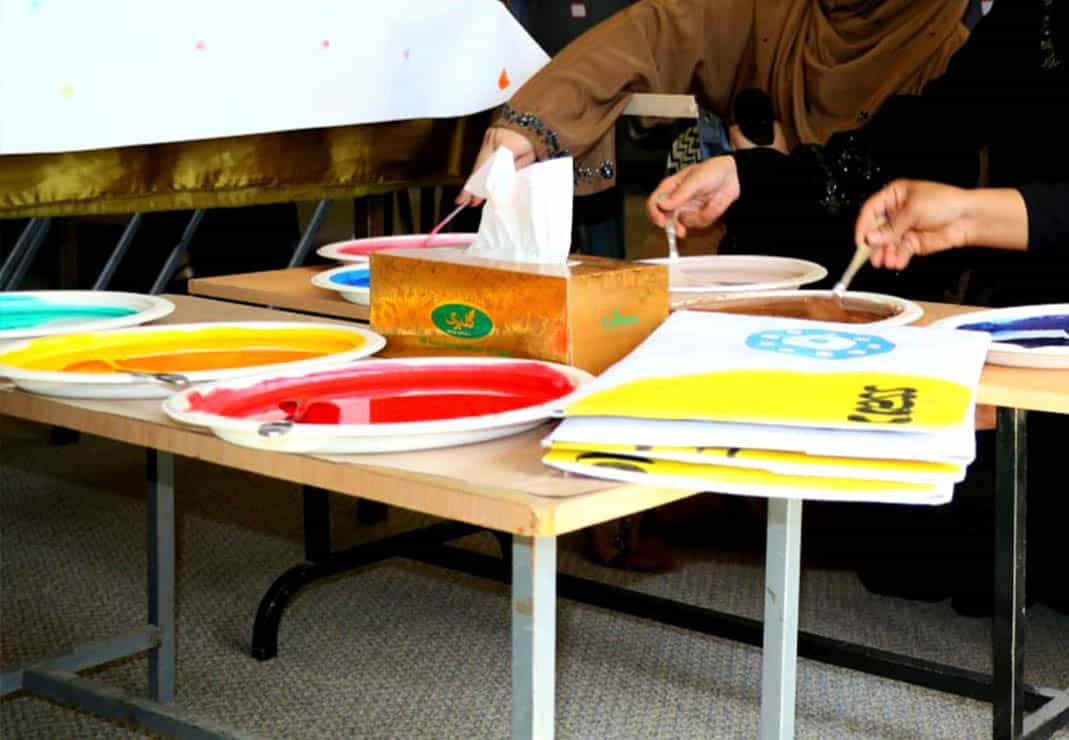
painting is a way to explore ideas, emotions and experiences through colour, line and form. Working with materials such as charcoal, oil and acrylic offers different ways to build an image, express a feeling and give shape to a thought.
We believe painting can also make space for stories that are overlooked or rarely heard. A work of art does not always need words to communicate; sometimes, an image can invite people to pause, reflect and see the world from another perspective.
Art grows through observation, practice and curiosity. Exploring different styles and techniques can help each person discover a visual language of their own
For SOHA;
painting is more than an art form in its own right; it is a foundation that connects many creative practices. From adding colour and patterns to decorative objects, to exploring colour combinations and motifs in resin art, to sketching jewellery and developing garment designs on paper or digitally, painting has remained part of the creative journey in different forms. Looking back, I see how this first artistic path gradually led me through different crafts towards fashion design—a space where these art forms can come together under one creative vision, each contributing its own language and character.
The Connection Between Painting and Fashion Design:
Painting and fashion design share a common language of colour, line, form and composition. In fashion, an idea often begins as a drawing on paper, where the silhouette, proportions, colours and details of a garment take shape. Today, these ideas can also be developed through digital illustration, offering new possibilities for exploring designs before they become physical garments.
Painting can also move directly onto fabric, where hand-painted motifs and patterns transform textiles into expressive surfaces and give garments an individual artistic character. These connections show how painting can extend beyond the canvas, becoming part of the creative process of designing and making clothing.
Through this relationship, the skills developed in painting—observation, colour harmony, composition and attention to detail—can enrich fashion design and open new possibilities for creative expression.
An Inspirational Thought:
“Painting can give form to what words cannot express, and bring unseen stories into view.”
Explore, experiment and keep creating—every new technique offers another way to see and express the world.